

The rise and evolution of casinos through the ages
The Origins of Gambling and Early Casinos
The concept of gambling can be traced back to ancient civilizations, where games of chance were integral to cultural practices. The earliest evidence of gambling dates back to 3000 BC in China, where tiles were discovered that hinted at a rudimentary lottery game. Similar activities were noted in ancient Rome and Greece, where the love for games of chance flourished. These early forms of gambling laid the groundwork for what would eventually evolve into structured casinos. Furthermore, the modern shift towards options like casino not on gamstop reflects changing player needs and preferences.

As societies progressed, the 17th century saw the establishment of the first official gambling houses in Venice, Italy. Known as “Ridotti,” these establishments offered a regulated environment for games such as baccarat and chequers. This marked a pivotal moment in the history of gambling, transitioning from informal backyard games to more formalized and organized venues, setting the stage for the modern casino experience.
The Golden Age of Casinos
The 19th century heralded what many consider the golden age of casinos, particularly with the rise of establishments in Europe. The opening of the Casino de Monte-Carlo in 1863 transformed the gambling landscape, attracting the elite and wealthy to its luxurious halls. This casino not only established high standards for luxury and entertainment but also introduced a variety of games that would become staples in casinos worldwide.
During this period, casinos began to incorporate elaborate designs and opulent interiors that emphasized entertainment beyond just gambling. The social aspect of visiting a casino emerged, as these venues offered dining, dancing, and performances, turning them into comprehensive entertainment hubs. This evolution increased their popularity and laid the foundation for the modern casino experience.
The Rise of Las Vegas and Modern Casinos
The mid-20th century saw the emergence of Las Vegas as the capital of gambling, with the opening of iconic casinos such as The Flamingo in 1946. The post-war boom and the liberalization of gambling laws in Nevada spurred massive investment in casino resorts, combining gaming with luxurious accommodations and entertainment options. Las Vegas became synonymous with the casino lifestyle, attracting millions of visitors each year.
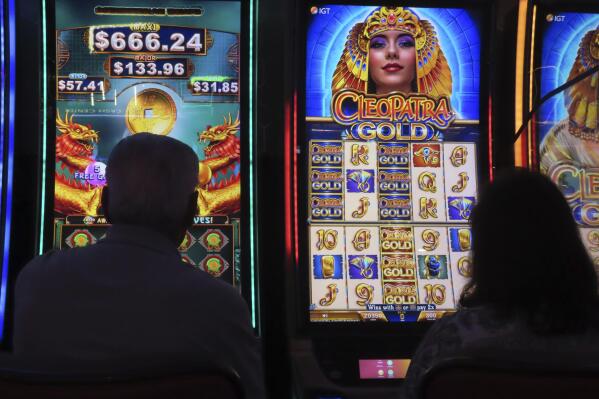
In this era, casinos began to integrate advanced technology, offering slot machines and electronic gaming options that appealed to a broader audience. The introduction of the modern casino resort concept changed the landscape once again, creating comprehensive entertainment destinations where visitors could experience everything from fine dining to spectacular shows alongside their gaming activities.
The Digital Revolution and Online Casinos
The advent of the internet in the late 20th century marked a significant turning point in the evolution of casinos. The first online casinos began to appear in the mid-1990s, allowing players to enjoy their favorite games from the comfort of their homes. This shift not only expanded access to gambling but also introduced a new level of convenience and variety, as players could choose from a multitude of games and betting options.
As technology continued to advance, the online casino experience improved significantly with enhanced graphics, live dealer options, and mobile gaming capabilities. The rise of cryptocurrency has also played a role in modern online casinos, allowing for secure and fast transactions. This digital evolution reflects a broader trend of adaptability in the casino industry, ensuring that it remains relevant to contemporary audiences.
Choosing the Right Casino Experience
When looking for the right casino experience, players must consider various factors that align with their personal preferences and gaming styles. Modern players are increasingly seeking options beyond traditional brick-and-mortar venues, turning to non-GamStop casinos for greater flexibility. These platforms offer a diverse range of games, generous promotions, and user-friendly interfaces that cater to both novice and experienced gamblers.
Understanding the importance of responsible gaming is crucial. Players should look for licensed and regulated casinos that prioritize fair play and offer robust customer support. With the vast array of options available, players can make informed decisions and find platforms that provide an engaging, safe, and enjoyable gambling environment.